Category: Guides

How-tos for brands

  • LinkedIn Is Now the Top B2B Video Channel: What It Means for Your Corporate Video

    LinkedIn Is Now the Top B2B Video Channel: What It Means for Your Corporate Video

    For years, the default home for a company video was YouTube. You made a corporate film, uploaded it, embedded it on the website and hoped people pressed play. That default has changed. For B2B brands, LinkedIn is now where video gets watched, shared and talked about.

    If you sell to other businesses in India, or you are a startup trying to look credible to investors, hires and clients, this shift should change how you plan your next corporate video.

    What the 2026 data says

    Wistia’s 2026 State of Video Report, based on a survey of nearly 1,000 marketing professionals and more than 13 million videos on its platform, found that 81% of businesses now name LinkedIn as a primary video channel, ahead of YouTube at 76% (as reported by PPC Land, May 2026). The same report found that 76% of teams resize their videos for different platforms, and 48% are increasing their distribution and promotion budgets.

    LinkedIn’s own 2025 B2B Benchmark research, which surveyed 1,500 senior marketers across six countries, points the same way:

    • 78% of B2B marketers already use video, and 56% plan to increase their video investment.
    • The formats marketers say drive results are short-form social video (41%), brand storytelling (38%), and testimonials and demos (34%).
    • 94% agree that trust is key to B2B brand success.

    LinkedIn’s Creative Labs also analysed more than 13,000 B2B video ads and reported that emotionally resonant videos earned 44% higher view-through rates. In plain terms: on LinkedIn, the videos that make people feel something outperform the ones that list features.

    Why LinkedIn changes how you plan a corporate video

    A corporate video built for a website and a corporate video built for LinkedIn are not the same thing. Three differences matter most.

    People watch in the feed, often with the sound off

    On a website, someone chose to press play. In a LinkedIn feed, your video autoplays silently between a job update and a poll. The first few seconds must work visually, and the message needs on-screen text or captions. Animated titles and kinetic type, the kind of thing our motion graphics services add, stop being decoration and become essential.

    One film is not enough

    The Wistia finding that three in four teams resize video for different platforms reflects how B2B video is now used. A single two-minute brand film becomes a 60-second cut, three 20-second clips, a square version for the feed and a vertical version for mobile. Planning those cutdowns before the shoot, rather than hacking them out afterwards, is the difference between clips that feel native and clips that feel squashed.

    Trust beats polish

    LinkedIn audiences respond to people. Founders explaining why they started, engineers showing how something works, customers telling their own story. Over-produced corporate gloss can feel like an ad. The sweet spot is cinematic quality with a human voice: properly lit and mic’d interviews that still sound like real conversations.

    Five corporate video formats that work on LinkedIn

    1. The founder story

    Two to three minutes on why the company exists, told by the person who started it. This becomes your website hero film and your most-shared LinkedIn post. Cut a 45-second version for the feed.

    2. Customer testimonials

    One customer, one problem, one result. Testimonials and demos are among the formats B2B marketers say drive results, and they answer the question every buyer is quietly asking: has this worked for someone like me?

    3. Product and process explainers

    If what you sell is hard to film, such as software, a financial product or an internal process, an animated explainer video shows what footage can’t. Sixty to ninety seconds is usually enough.

    4. Event and conference recaps

    A fast-turnaround recap from a launch, summit or award night gives you a week of LinkedIn posts while the event is still fresh. Pair it with corporate event photography so your carousel posts and press coverage match the video.

    5. Team and culture films

    Recruitment is a huge part of what happens on LinkedIn. A short film about how your team works, plus consistent corporate headshots for everyone featured, makes your company page look like a place people want to join.

    How to plan a LinkedIn-first corporate video shoot

    1. Start with the one message. What should a viewer understand after 20 seconds? Build the script around that, not around everything you could say.
    2. List every cutdown before the shoot. Decide the hero film length, the feed cuts and the aspect ratios (16:9, 1:1 and 9:16) up front, so the crew frames shots that work in all of them.
    3. Plan interviews, not speeches. Prepared questions get natural answers. Scripts read aloud rarely do.
    4. Capture extra B-roll. Offices, hands at work, the product in use. B-roll is what keeps feed clips moving and gives you material for months.
    5. Design captions and titles as part of the edit. Assume most people will never turn the sound on.
    6. Shoot photos on the same day. Stills from the set become thumbnails, carousel posts and website images, all matching the film.

    This is how we run corporate video production in Delhi NCR: one story call, one script and shot list you approve, one shoot day, then a hero film plus every cutdown you need, shot in 4K and edited by the same crew.

    What about YouTube?

    YouTube still matters, and 76% of businesses still use it as a primary channel. It is better for long videos people search for, like tutorials and webinars, and it helps your videos show up in Google. The point is not to abandon YouTube. It is to stop treating LinkedIn as a place where you paste a YouTube link. Upload natively, cut for the feed and post on a schedule.

    A quick checklist before you post

    • Does the first frame make sense without sound?
    • Is there a clear message in the first five seconds?
    • Are captions burned in or uploaded?
    • Is it the right aspect ratio for the feed (usually square or vertical)?
    • Does a real person appear on screen?
    • Is there one clear next step: visit, book, apply or follow?

    Where to start

    If your company has never made video for LinkedIn, start with one founder story and three short cuts from the same shoot. Post them over a month and watch which one gets shared.

    Selling to consumers rather than businesses? Our guide to episodic reels series covers the same thinking for Instagram.

    Ready to plan a corporate video built for the feed? Send us your brief and we will come back within 3 working days with ideas and a clear quote.

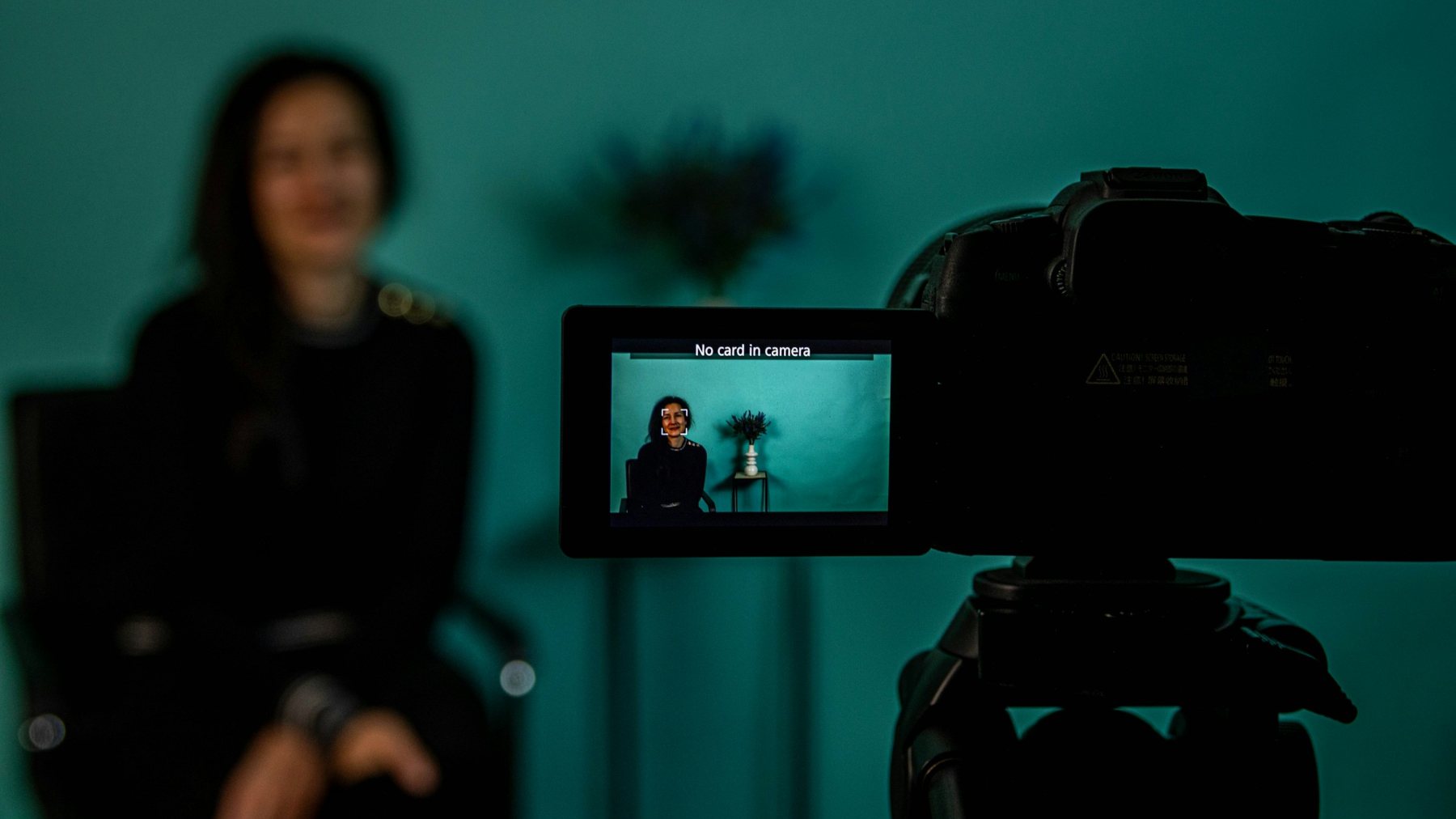
    Cover photo: dlxmedia.hu on Unsplash.

  • Episodic Reels: Why One-Off Reels Stopped Working for Brands

    Episodic Reels: Why One-Off Reels Stopped Working for Brands

    Scroll through any brand account that is growing right now and you will notice a pattern. The posts are not random one-off reels any more. They are series: “Day 3 of building our new café”, “Part 2: how we pack 200 orders”, “Rating every chai in Connaught Place”. Viewers come back because they want the next part.

    This is the biggest shift in short-form video for brands going into 2027, and the numbers from India explain why it matters so much here.

    Reels is where Indian buyers now discover brands

    In June 2026, Meta published a study it commissioned from IPSOS, covering more than 4,000 respondents across 23 cities, from metros to rural India. Among the findings, reported on the Meta Newsroom:

    • At least 97% of surveyed users watch video on Meta’s platforms every day.
    • 89% of Gen Z, 85% of women and 88% of NCCS A audiences use Reels daily.
    • 84% of Gen Z say they discover new products or brands on Meta’s platforms.
    • Among Reels users, 81% cite it for product discovery, 66% for consideration and 47% for influencing a purchase.

    A year earlier, a separate Meta-commissioned IPSOS study of 3,500+ people found that 80% of Indians discover new brands on Meta’s platforms (Meta, September 2025). Both studies come from the platform itself, so treat them as a strong signal rather than independent proof. Still, the direction is hard to argue with: if your customers are in India, a big part of how they find you now happens inside a vertical video.

    The catch is that every other brand in your category has read the same numbers. Posting more reels is no longer an advantage. Posting reels people actually wait for is.

    Why one-off reels stopped working

    A one-off reel has to win attention from zero every single time. It has three seconds to land a hook, no context, and no reason for the viewer to remember who made it. Even when it does well, the next post starts from zero again.

    That is why many brands see the same frustrating graph: one reel spikes, the next five flop, and follower growth stays flat. The algorithm rewarded a moment, not the brand.

    One-off reels also tend to be made in a rush. Someone films something on the day, edits it on a phone and posts it before the moment passes. That works for news. It does not work for building a look people recognise.

    What an episodic reels series actually is

    An episodic series is a set of short videos that share a format, a title card and a promise. Each episode stands on its own, but watching one makes you want the next. Think of it as a mini show your brand owns.

    A good series has four things:

    • A repeatable format. Same opening line, same structure, same length. Viewers learn what to expect.
    • A clear promise. “We test one menu item a week”, “Behind the scenes of a 2-day shoot”, “One styling tip per outfit”.
    • Visual consistency. The same light, framing, colours and on-screen type, so episodes are recognisable at a glance in the feed.
    • A cliffhanger or callback. End with what is coming next, or refer back to the last episode.

    Series ideas that work for Delhi NCR brands

    • Cafés and restaurants: “Kitchen at 7am”, a dish-of-the-week reveal, or a series rating your own menu honestly.
    • Gyms and studios: a 6-part transformation diary, or “one move, done right” with a different coach each week.
    • Fashion and retail: “Styled three ways”, new-drop countdowns, or a series on how one piece is made.
    • Startups and B2B brands: founder diaries, “building in public” updates, or a customer story series.
    • Real estate and interiors: before-and-after walkthroughs of one space per episode.

    How to plan a reels series without burning out

    The reason most brands never get past episode two is production. Filming a fresh reel every few days, with the same quality every time, is a lot for a small team. The fix is to plan the whole month first and shoot it in one go.

    1. Pick one series, not five

    Start with a single format you can sustain for at least six episodes. You can add a second series once the first one has a rhythm.

    2. Write every hook before the shoot

    The first three seconds decide whether anyone sees the rest. Write the opening line of every episode in advance, so the shoot day is about capturing, not inventing.

    3. Batch-shoot a month in one session

    One planned shoot day can produce several episodes plus a set of photos from the same setup. That is how we run every reels shoot in Delhi NCR: one shot list, one light setup, a month of content. It is also far cheaper than calling a crew in for every post.

    4. Lock the look

    Use the same framing, lighting and colour grade across episodes, and add a consistent title card or bit of animated type. Short motion graphics like an episode number or a branded lower third do a lot of work here, and they help the message land with the sound off.

    5. Shoot photos at the same time

    Your feed is not only reels. Carousels, stories and grid posts from the same shoot keep the series visible between episodes. Pairing video with social media photography from one session keeps everything on-brand.

    6. Edit fast, publish on a schedule

    A series only works if episodes arrive when people expect them. Decide your posting days up front and stick to them. Fast edits matter for anything timely; our social edits come back within 48 hours of the shoot for exactly this reason.

    Measuring whether your series is working

    Views on a single episode tell you very little. Look at the series as a whole:

    • Returning viewers: are people who watched episode one also watching episode three?
    • Saves and shares: these show people value the content, not just that they stumbled on it.
    • Profile visits and follows per episode: a good series turns casual viewers into followers.
    • Comments asking for the next part: the clearest sign the format has landed.

    If a series flattens out after four or five episodes, change one thing (the hook style, the length or the posting time) rather than abandoning the format altogether.

    Common mistakes to avoid

    • Making episodes depend on each other too much. Every episode should still make sense to someone who has never seen the series.
    • Changing the look every week. Consistency is what makes a series recognisable.
    • Stopping after two episodes. Most series need a few episodes before the audience catches on.
    • Forgetting the product. Entertaining is good; entertaining while showing what you sell is better. Clean product shots and loops can slot into episodes without breaking the format.

    Where to start

    Pick one series idea, write six hooks and plan a single shoot day. If you would rather have a crew plan, shoot and edit the whole month for you, our content creation packs are built around exactly this: a monthly plan, a reels shoot and photos, delivered ready to post.

    And if your audience is more boardroom than café, read our companion piece on why LinkedIn has become the top B2B video channel and what that means for your corporate video.

    Want help planning your first series? Tell us about your brand and we will suggest a format that fits.

    Cover photo: Vitaly Gariev on Unsplash.