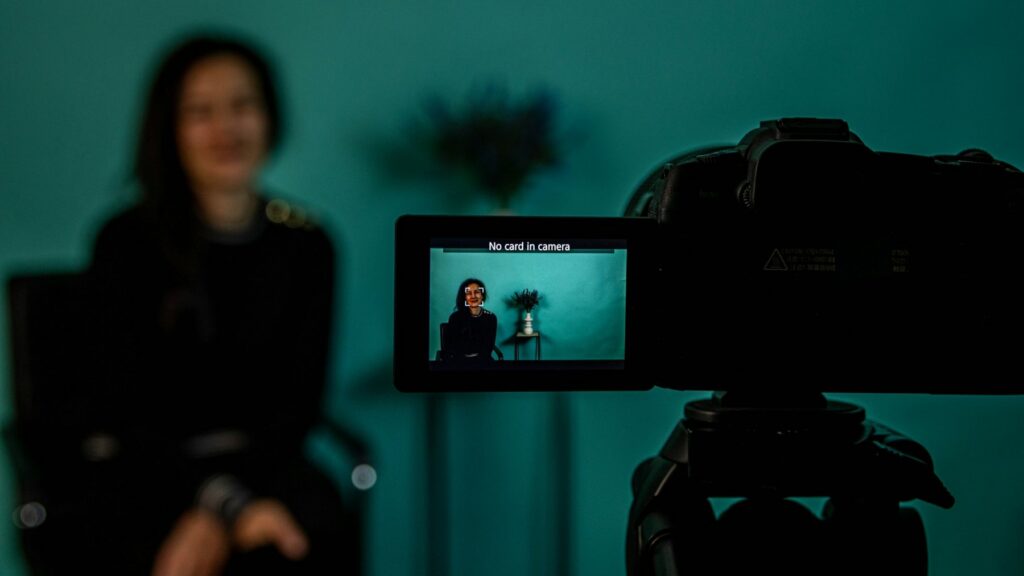

Scroll through any brand account that is growing right now and you will notice a pattern. The posts are not random one-off reels any more. They are series: “Day 3 of building our new café”, “Part 2: how we pack 200 orders”, “Rating every chai in Connaught Place”. Viewers come back because they want the next part.
This is the biggest shift in short-form video for brands going into 2027, and the numbers from India explain why it matters so much here.
Reels is where Indian buyers now discover brands
In June 2026, Meta published a study it commissioned from IPSOS, covering more than 4,000 respondents across 23 cities, from metros to rural India. Among the findings, reported on the Meta Newsroom:
- At least 97% of surveyed users watch video on Meta’s platforms every day.
- 89% of Gen Z, 85% of women and 88% of NCCS A audiences use Reels daily.
- 84% of Gen Z say they discover new products or brands on Meta’s platforms.
- Among Reels users, 81% cite it for product discovery, 66% for consideration and 47% for influencing a purchase.
A year earlier, a separate Meta-commissioned IPSOS study of 3,500+ people found that 80% of Indians discover new brands on Meta’s platforms (Meta, September 2025). Both studies come from the platform itself, so treat them as a strong signal rather than independent proof. Still, the direction is hard to argue with: if your customers are in India, a big part of how they find you now happens inside a vertical video.
The catch is that every other brand in your category has read the same numbers. Posting more reels is no longer an advantage. Posting reels people actually wait for is.
Why one-off reels stopped working
A one-off reel has to win attention from zero every single time. It has three seconds to land a hook, no context, and no reason for the viewer to remember who made it. Even when it does well, the next post starts from zero again.
That is why many brands see the same frustrating graph: one reel spikes, the next five flop, and follower growth stays flat. The algorithm rewarded a moment, not the brand.
One-off reels also tend to be made in a rush. Someone films something on the day, edits it on a phone and posts it before the moment passes. That works for news. It does not work for building a look people recognise.
Films, photos and content, planned and shot by one crew.
What an episodic reels series actually is
An episodic series is a set of short videos that share a format, a title card and a promise. Each episode stands on its own, but watching one makes you want the next. Think of it as a mini show your brand owns.
A good series has four things:
- A repeatable format. Same opening line, same structure, same length. Viewers learn what to expect.
- A clear promise. “We test one menu item a week”, “Behind the scenes of a 2-day shoot”, “One styling tip per outfit”.
- Visual consistency. The same light, framing, colours and on-screen type, so episodes are recognisable at a glance in the feed.
- A cliffhanger or callback. End with what is coming next, or refer back to the last episode.
Series ideas that work for Delhi NCR brands
- Cafés and restaurants: “Kitchen at 7am”, a dish-of-the-week reveal, or a series rating your own menu honestly.
- Gyms and studios: a 6-part transformation diary, or “one move, done right” with a different coach each week.
- Fashion and retail: “Styled three ways”, new-drop countdowns, or a series on how one piece is made.
- Startups and B2B brands: founder diaries, “building in public” updates, or a customer story series.
- Real estate and interiors: before-and-after walkthroughs of one space per episode.
How to plan a reels series without burning out
The reason most brands never get past episode two is production. Filming a fresh reel every few days, with the same quality every time, is a lot for a small team. The fix is to plan the whole month first and shoot it in one go.
1. Pick one series, not five
Start with a single format you can sustain for at least six episodes. You can add a second series once the first one has a rhythm.
2. Write every hook before the shoot
The first three seconds decide whether anyone sees the rest. Write the opening line of every episode in advance, so the shoot day is about capturing, not inventing.
3. Batch-shoot a month in one session
One planned shoot day can produce several episodes plus a set of photos from the same setup. That is how we run every reels shoot in Delhi NCR: one shot list, one light setup, a month of content. It is also far cheaper than calling a crew in for every post.
4. Lock the look
Use the same framing, lighting and colour grade across episodes, and add a consistent title card or bit of animated type. Short motion graphics like an episode number or a branded lower third do a lot of work here, and they help the message land with the sound off.
5. Shoot photos at the same time
Your feed is not only reels. Carousels, stories and grid posts from the same shoot keep the series visible between episodes. Pairing video with social media photography from one session keeps everything on-brand.
6. Edit fast, publish on a schedule
A series only works if episodes arrive when people expect them. Decide your posting days up front and stick to them. Fast edits matter for anything timely; our social edits come back within 48 hours of the shoot for exactly this reason.
Measuring whether your series is working
Views on a single episode tell you very little. Look at the series as a whole:
- Returning viewers: are people who watched episode one also watching episode three?
- Saves and shares: these show people value the content, not just that they stumbled on it.
- Profile visits and follows per episode: a good series turns casual viewers into followers.
- Comments asking for the next part: the clearest sign the format has landed.
If a series flattens out after four or five episodes, change one thing (the hook style, the length or the posting time) rather than abandoning the format altogether.
Common mistakes to avoid
- Making episodes depend on each other too much. Every episode should still make sense to someone who has never seen the series.
- Changing the look every week. Consistency is what makes a series recognisable.
- Stopping after two episodes. Most series need a few episodes before the audience catches on.
- Forgetting the product. Entertaining is good; entertaining while showing what you sell is better. Clean product shots and loops can slot into episodes without breaking the format.
Where to start
Pick one series idea, write six hooks and plan a single shoot day. If you would rather have a crew plan, shoot and edit the whole month for you, our content creation packs are built around exactly this: a monthly plan, a reels shoot and photos, delivered ready to post.
And if your audience is more boardroom than café, read our companion piece on why LinkedIn has become the top B2B video channel and what that means for your corporate video.
Want help planning your first series? Tell us about your brand and we will suggest a format that fits.
Cover photo: Vitaly Gariev on Unsplash.

Umang Ladhwani is an HR professional, makeup artist and reel creator who writes for the NerdKlicks blog. Umang knows first-hand what makes people stop scrolling, and how brands come across to the people they want to hire.